Live streaming has transformed the way we consume media, enabling real-time broadcasting of events, news, and entertainment across the globe. As technology advances, the methods and tools used for live streaming have evolved significantly. One of the most promising developments in this field is the integration of SDI (Serial Digital Interface) HEVC (High Efficiency Video Coding) encoders. This article delves into the benefits of using SDI HEVC encoders for live streaming, explaining their role in optimizing video quality, reducing bandwidth requirements, and enhancing viewer engagement.
What are SDI HEVC Encoders?
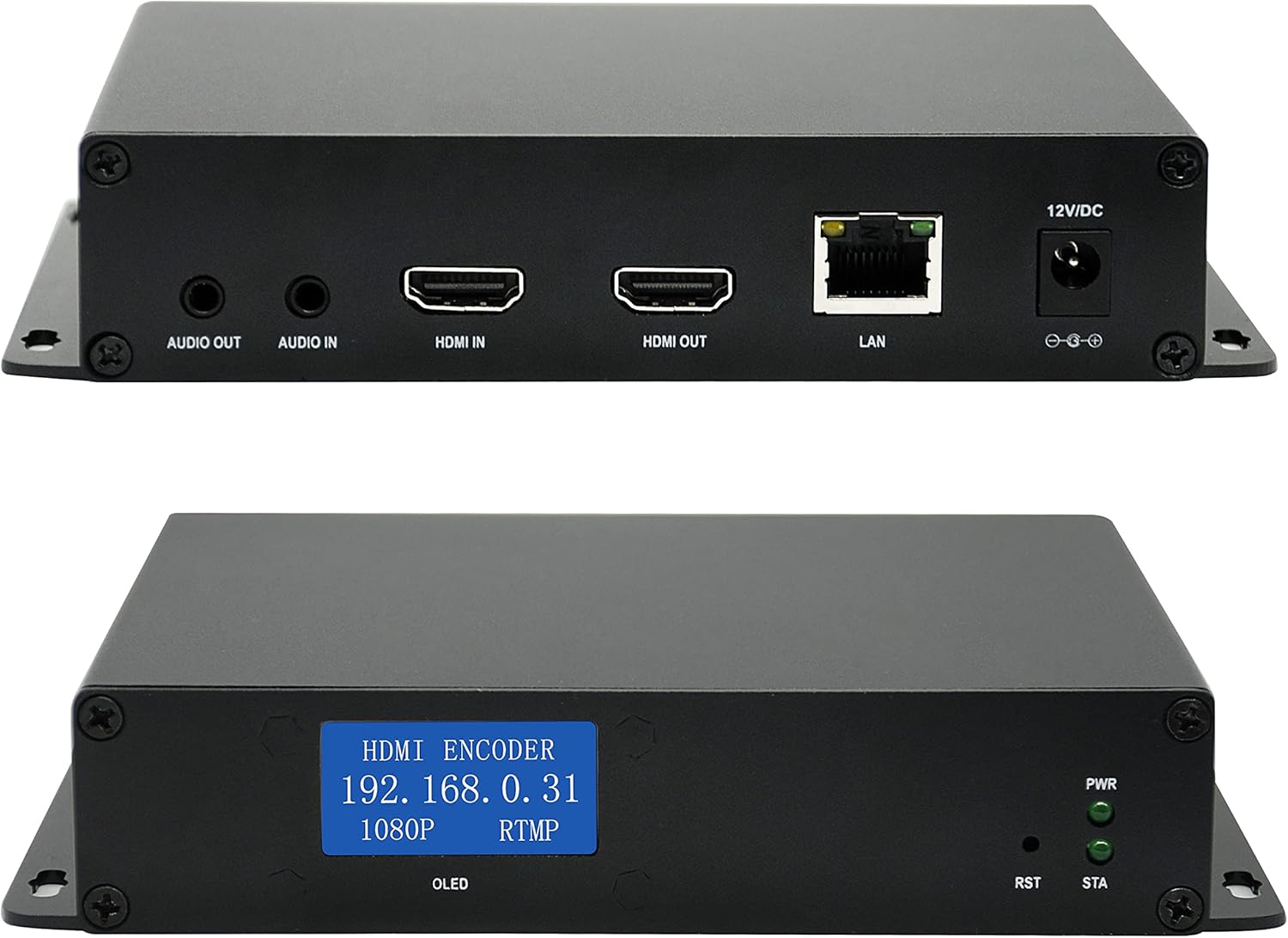
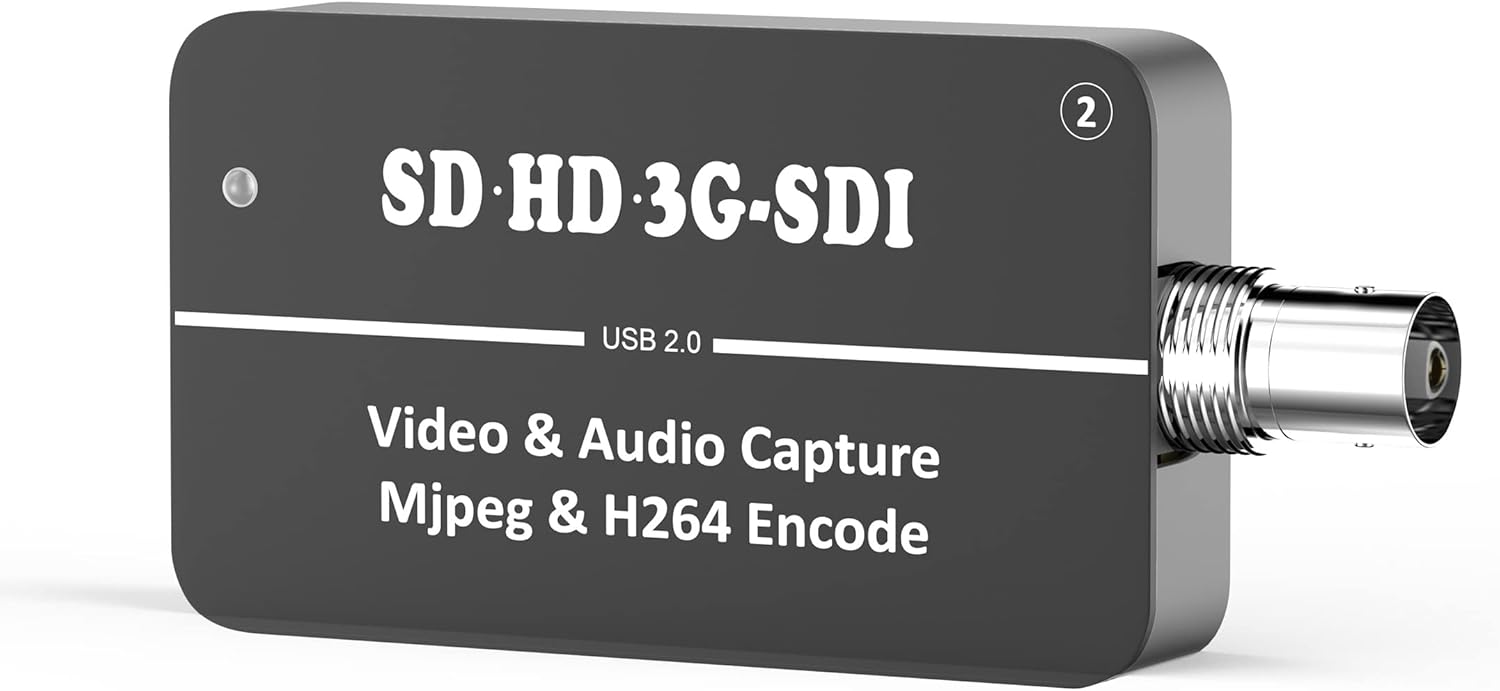
SDI HEVC encoders are devices that convert video signals into a digital format suitable for streaming over the internet. They utilize the SDI interface, which is a standard for transmitting uncompressed digital video signals, typically used in professional environments such as television studios and live event broadcasting. HEVC, also known as H.265, is a video compression standard that offers significant improvements in video quality and compression efficiency compared to its predecessor, H.264.
The Importance of Video Quality in Live Streaming
In the world of live streaming, video quality is paramount. Viewers expect high-definition content that is clear and engaging. Poor video quality can lead to viewer dissatisfaction, decreased engagement, and ultimately, loss of audience. Here are some key aspects of video quality and its impact on live streaming:
- Viewer Retention: High-quality video keeps viewers engaged and encourages them to stay longer on the stream.
- Brand Perception: Professional-looking streams enhance the brand’s image and credibility.
- Competitive Advantage: Offering superior video quality can differentiate a service in a saturated market.
Benefits of SDI HEVC Encoders
1. Enhanced Video Compression

One of the most significant advantages of using HEVC encoding is its ability to compress video files more efficiently than H.264. This means that SDI HEVC encoders can deliver higher quality video at lower bitrates. Consider the following statistics:
- HEVC can reduce the bitrate by up to 50% compared to H.264 without sacrificing quality.
- This allows for smoother streaming experiences, particularly in bandwidth-constrained environments.
2. Reduced Bandwidth Requirements
With the advent of 4K and even 8K video content, the demand for bandwidth has skyrocketed. SDI HEVC encoders significantly reduce the amount of data transmitted during live streams, making it feasible to deliver high-quality content even with limited bandwidth. This is particularly beneficial in scenarios such as:
- Remote locations with limited internet infrastructure.
- Live sports events where large audiences are streaming simultaneously.
- Corporate events and webinars where high-quality visuals are crucial.
3. Compatibility and Integration
SDI is a widely accepted standard in the broadcast industry, making SDI HEVC encoders highly compatible with existing equipment. This compatibility ensures seamless integration into professional broadcasting setups, which can include:
- Video switchers and production servers.
- Monitors and graphics systems.
- Other broadcasting gear that relies on SDI inputs and outputs.
This flexibility allows content creators to leverage their current infrastructure while upgrading to more advanced encoding technologies.
4. Scalability for Live Events

As audiences grow, so do the demands on live streaming technology. SDI HEVC encoders are designed to be scalable, allowing broadcasters to adapt to increasing viewer numbers without compromising quality. For instance, during a major sports event, thousands of viewers may tune in simultaneously. Using SDI HEVC encoders ensures that each viewer receives a high-quality stream, regardless of the number of concurrent streams being processed.
5. Improved User Experience
Viewers are more likely to return to a service that provides a better streaming experience. By utilizing SDI HEVC encoders, broadcasters can offer:
- Faster load times due to reduced file sizes.
- Smoother playback with fewer buffering interruptions.
- A more visually appealing viewing experience, especially in high-motion content, such as sports.
Case Studies: Success with SDI HEVC Encoders
Case Study 1: Major Sports Network
A major sports network recently transitioned to SDI HEVC encoders for their live broadcasts. By implementing these encoders, they achieved a 40% reduction in bandwidth usage while delivering 4K content. This allowed them to stream high-quality games to fans across different regions without the need for extensive infrastructure upgrades.
Case Study 2: Corporate Events
A global corporation utilized SDI HEVC encoders for their annual conference, which was streamed live to thousands of employees worldwide. The result was a seamless experience that minimized lag and buffering, leading to positive feedback from attendees and enhancing the company’s image as an industry leader.
Future Trends in Live Streaming with SDI HEVC Encoders

The landscape of live streaming continues to evolve, and SDI HEVC encoders are at the forefront of this transformation. Future trends may include:
- Increased Adoption of 8K Streaming: As 8K content becomes more popular, the efficient compression capabilities of HEVC will be crucial in delivering quality streams.
- AI and Automation: Integration of AI technologies for dynamic bitrate adjustments and automated content delivery.
- Augmented and Virtual Reality Streaming: As AR and VR content grows, the need for high-quality, low-latency streaming will be paramount.
SDI HEVC encoders represent a significant advancement in live streaming technology, offering enhanced video quality, reduced bandwidth requirements, and improved compatibility with existing broadcasting infrastructure. By leveraging these encoders, content creators can ensure a superior viewing experience that meets the demands of today’s audiences. As streaming technology continues to evolve, the benefits of SDI HEVC encoders will become increasingly evident, reinforcing their position as a key tool for broadcasters, event organizers, and corporations alike.
In summary, the adoption of SDI HEVC encoders in live streaming not only meets the current demands for high-quality content but also positions broadcasters for future advancements in technology, ensuring they remain competitive in an ever-evolving digital landscape.